My first evening on the Corniche, I made the mistake of going at 2 PM in August. The heat was unbearable, and the place was empty. I thought everyone had oversold it. Then I went back at 7 PM and understood everything. The Corniche isn't a daytime attraction. It's where Jeddah comes alive after dark.
The transformation is remarkable. As the sun drops toward the Red Sea, families pour out of their air-conditioned homes. Kids ride bikes on the dedicated paths. Groups of friends set up blankets for impromptu picnics. The smell of grilling meat drifts from the countless food stalls that line the waterfront. This is social life, Jeddah style.
Understanding the Layout
The Corniche stretches for about 30 kilometers along the Red Sea coast, which sounds overwhelming until you realize it's divided into distinct sections. You don't need to see all of it. In fact, trying to do so would mean missing what makes each part special.
King Fahd Fountain can reach heights of 312 meters, visible from across the city. Photo source: Unsplash
The northern section near the airport is newer, with modern sculptures and manicured gardens. The central section around the old city has the most character, with the iconic King Fahd Fountain as its centerpiece. The southern stretches are quieter, more residential, where you'll find locals escaping the tourist-heavy areas.
The Spots That Actually Matter
King Fahd Fountain
Yes, it's the obvious recommendation, but the fountain deserves its fame. At 312 meters, it's the tallest of its type in the world, shooting Red Sea water into the air at over 350 kilometers per hour. The best view is from the Corniche itself around 8 PM, when the illumination makes it glow against the darkening sky.
What most guides don't tell you: position yourself with the old city behind the fountain for the best photos. And don't get too close on windy evenings. That mist carries for hundreds of meters, and you'll end up soaked in salty seawater.
Best Timing
The fountain operates from sunset until midnight, but it's turned off during high winds and occasionally for maintenance. It runs every day except Friday morning. Arrive 30 minutes before sunset to find parking and a good viewing spot.
The Sculpture Garden
Scattered along the Corniche are outdoor sculptures from artists around the world. Jeddah has been collecting public art since the 1970s, and the results are genuinely impressive. You'll find works by Henry Moore, Joan Miro, and Saudi artists displayed against the backdrop of the Red Sea.
My favorite is the giant bicycle sculpture near the fish market. It's playful and strange and somehow perfectly captures Jeddah's mix of traditional and modern. The sculptures aren't concentrated in one area, so you'll discover them as you walk, which is part of the charm.
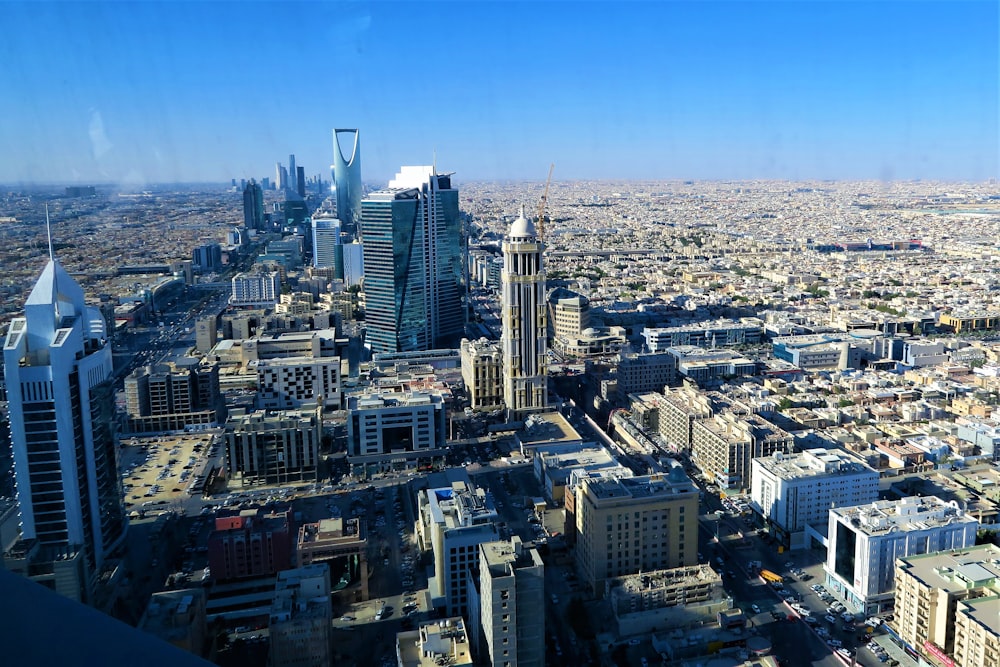
Jeddah's modern skyline provides a dramatic backdrop to the Corniche. Photo source: Unsplash
The Fish Market Area
Officially called the Al-Balad Fish Market, this is where the Corniche gets real. Early morning (around 5 AM) is when the fishing boats come in, and you can watch the auction as restaurants and households bid on the day's catch. By mid-morning, the nearby restaurants are serving the freshest fish you'll eat in Jeddah.
Order the grilled hammour or the fried samak baladi. Point at what looks good, tell them how you want it cooked, and expect to pay a fraction of what similar quality would cost in the hotel districts.
What I Actually Do There
After three years, my Corniche routine is pretty simple. I arrive around 6 PM, park near the central section, and walk north for about 45 minutes. The crowds thin out as you move away from the main viewing areas, and you start seeing more locals and fewer tourists.
I stop at one of the small shawarma stands. The unofficial rule is that the shabbier the stand looks, the better the food. Find one with a line of Saudi men in thobes, and you've found the good stuff. Then I walk back slowly, watching the sunset paint the sky orange and pink over the Red Sea.
"The Corniche isn't about seeing something specific. It's about being part of Jeddah's evening ritual. Bring a mat, bring food, bring family. That's how we do it."
Practical Considerations
Getting There
The Corniche runs along the western edge of the city, parallel to Al-Corniche Road. Parking is available at multiple points, though it fills up quickly on Thursday and Friday evenings. Uber and Careem work well for drop-off, but pickup can be challenging when everyone leaves at the same time around 11 PM.
What to Bring
Comfortable shoes for walking, light layers for when the sea breeze picks up, and cash for the food stalls. Most vendors don't take cards. If you're planning to picnic, bring your own mat. You'll see locals spreading out on the grass and along the waterfront.
Summer Warning
From June to September, don't even think about visiting before 6 PM. The heat and humidity are genuinely dangerous during the day. Winter months (November to February) are pleasant any time, and you'll see people exercising even at midday.
The Changing Corniche
Saudi Arabia's Vision 2030 development plan includes major Corniche upgrades. New entertainment zones, improved facilities, and expanded pedestrian areas are in progress. Some of this is good. The walking paths are better than when I first arrived. But there's also a risk of over-developing something that works precisely because it's not too polished.
For now, the Corniche remains one of Jeddah's most authentic experiences. It's where the city actually lives, not where it performs for visitors. Come in the evening, walk slowly, eat street food, and watch the fountain light up. That's all you need to do.
More Information
The Saudi Tourism Authority has maps and event information, though I find Google Maps more useful for navigation. For fountain schedules and city events, the Jeddah Municipality website occasionally posts updates.